
Machine Learning in Modern Medicine: Transforming Diagnosis and Patient Care
Explore how machine learning algorithms are revolutionizing diagnostic imaging, predictive analytics, and personalized treatments in the modern healthcare industry.


Machine Learning in Modern Medicine: Transforming Diagnosis and Patient Care
The integration of machine learning algorithms into the medical field represents one of the most significant shifts in modern healthcare. Far from replacing human doctors, these advanced computational models serve as highly specialized assistants, capable of processing vast amounts of patient data in fractions of a second. This technological synergy is allowing healthcare providers to move away from reactive treatments and toward proactive, personalized patient care strategies that save lives, reduce hospital wait times, and drastically cut down on medical errors. By turning raw health data into actionable clinical insights, machine learning is redefining the boundaries of what is possible in clinical practice and medical research.
Revolutionizing Diagnostic Imaging
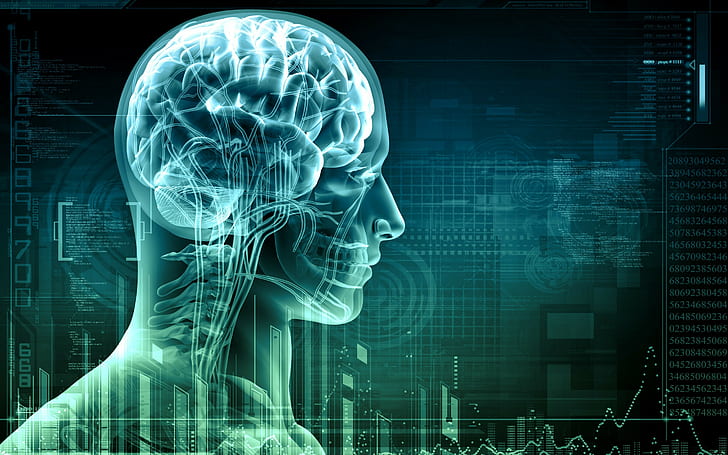
One of the most successful applications of machine learning in healthcare is the analysis of diagnostic imaging. Radiologists are required to examine thousands of X-rays, MRI scans, and CT scans, a process that is both time-consuming and prone to human fatigue. Machine learning models, specifically trained on millions of annotated medical images, can now detect anomalies such as early-stage tumors, micro-fractures, and signs of diabetic retinopathy with a level of precision that matches, and sometimes exceeds, human experts. These systems highlight areas of concern on the scan, allowing the radiologist to focus their expertise where it is most needed and significantly speeding up the diagnostic process. In acute scenarios like stroke diagnosis, an AI analyzing a brain scan can save critical minutes that mean the difference between full recovery and permanent neurological damage.
Predictive Analytics for Preventive Care
Hospitals generate massive amounts of data daily, from electronic health records to real-time vital signs monitored in intensive care units. Predictive analytics utilizes this data to forecast potential health crises before they occur. For example, algorithms can analyze a patient's heart rate, blood pressure, oxygen levels, and historical medical records to predict the onset of sepsis or cardiac arrest hours before clinical symptoms become obvious. This window of time allows medical staff to intervene early, drastically improving the chances of survival and reducing the length of hospital stays. Furthermore, population-level predictive models can forecast disease outbreaks, allowing hospitals to allocate resources and staff more efficiently before an influx of patients arrives.
Personalized Medicine and Drug Discovery
Traditionally, medicine has followed a "one-size-fits-all" approach, where treatments are prescribed based on what works for the average person in clinical trials. Machine learning is making personalized medicine a reality by analyzing a patient's genetic makeup, lifestyle factors, and environmental data to recommend highly targeted therapies. In the realm of oncology, algorithms help oncologists select the most effective chemotherapy combinations based on the specific genetic mutations of a tumor, minimizing side effects and maximizing efficacy. Furthermore, pharmaceutical companies are using these models to simulate how different chemical compounds interact with biological targets, reducing the time and cost required to discover and develop new life-saving drugs from decades to mere years.
Administrative Efficiency and Reducing Burnout
Beyond clinical applications, the administrative side of healthcare is also benefiting heavily from automation. Natural language processing (NLP) tools can transcribe doctor-patient interactions in real-time, automatically updating electronic health records, assigning the correct medical billing codes, and freeing physicians from hours of tedious paperwork. This allows doctors to spend more face-to-face time with their patients, improving the overall quality of care and significantly reducing the severe physician burnout that is plaguing modern healthcare systems. From optimizing hospital bed management to predicting patient no-show rates, machine learning is making the entire healthcare apparatus run more smoothly and sustainably.
What's Your Reaction?
 Like
0
 Dislike
0
 Love
0
 Funny
0
 Angry
0
 Sad
0
 Wow
0