What Is Technology and How Does It Shape Our Daily Lives?
Discover what technology is, how it works, and how it shapes our daily lives through smartphones, the internet, artificial intelligence, smart devices, transportation, education, and modern communication.

What Is Technology?
Technology is the collection of tools, systems, techniques, machines, and processes that people create and use to solve problems and make everyday activities easier. From simple tools developed thousands of years ago to modern smartphones, cloud computing, and artificial intelligence, technology has continuously evolved alongside human society.
Today, technology is present in almost every part of daily life. People use digital devices to communicate, work, learn, shop, travel, manage finances, access entertainment, and obtain information. Many activities that once required significant time and physical effort can now be completed within minutes with the help of modern technological solutions.
How Technology Has Changed Everyday Life
One of the most visible effects of technology is the way people communicate. Smartphones, messaging applications, email, and video conferencing allow people to stay connected regardless of geographical distance. A conversation that once required a letter or expensive long-distance call can now happen instantly through an internet connection.
Technology has also changed how people access information. Search engines, online libraries, educational platforms, and digital publications make it possible to find information from almost anywhere. Instead of depending entirely on printed books or traditional media, people can access millions of digital resources using computers and mobile devices.
The Role of Smartphones in Modern Life
Smartphones are among the most influential technologies of the modern era. A single device can combine the functions of a telephone, camera, navigation system, calendar, music player, gaming device, payment tool, and internet browser.
Mobile applications have expanded these capabilities even further. Users can order food, manage bank accounts, monitor fitness activities, purchase products, attend online meetings, and learn new skills directly from their smartphones.
However, increased smartphone use also creates challenges. Excessive screen time, digital distractions, privacy concerns, and dependence on online services are important issues that users need to consider.
Technology and the Internet
The internet has become a fundamental part of modern digital life. It connects computers, smartphones, servers, and other devices across the world, allowing information to move quickly between users and organizations.
Online services have transformed many traditional activities. Shopping, banking, education, entertainment, communication, and professional collaboration can now take place online. Businesses can reach customers in different countries, while individuals can work remotely or participate in online learning programs.
The growth of internet technology has also created new industries and career opportunities, including web development, cybersecurity, cloud computing, digital marketing, data analysis, and software engineering.
How Artificial Intelligence Is Changing Daily Life
Artificial intelligence is another major development influencing modern technology. AI systems can analyze information, recognize patterns, generate content, translate languages, recommend products, and assist users with various tasks.
People may interact with AI without even realizing it. Recommendation systems on streaming platforms, voice assistants, navigation applications, spam filters, and automated customer support are common examples of AI-powered technology.
As artificial intelligence continues to develop, its influence is expected to expand into education, transportation, business, healthcare, entertainment, and many other areas.
Technology in Education
Technology has transformed traditional education by making learning resources more accessible. Students can attend online classes, watch educational videos, use interactive applications, participate in virtual classrooms, and access digital books.
Teachers can also use technology to create presentations, organize assignments, communicate with students, and provide online learning materials.
This does not mean traditional education is becoming unnecessary. Instead, technology can complement traditional teaching methods and provide additional ways for students to understand complex subjects.
Technology in Transportation
Modern transportation also depends heavily on technology. Navigation applications help drivers find routes and avoid traffic, while digital ticketing systems make public transportation more convenient.
Automotive technology has advanced significantly as well. Modern vehicles can include driver-assistance systems, advanced sensors, connected entertainment systems, automatic emergency braking, and other technologies designed to improve safety and convenience.
Electric vehicles and autonomous driving technologies are also influencing discussions about the future of transportation.
Smart Homes and Connected Devices
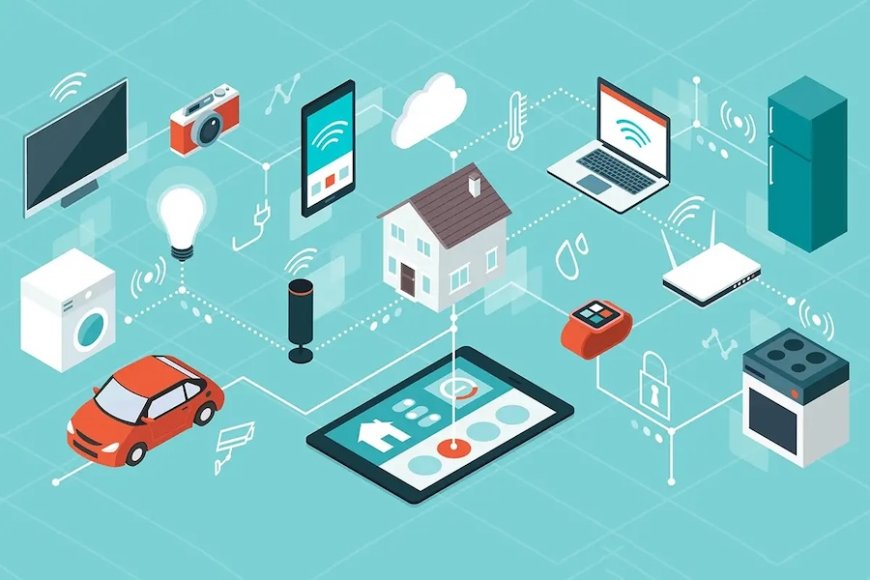
The concept of the smart home has become increasingly popular. Smart lights, thermostats, security cameras, speakers, televisions, and appliances can connect to networks and communicate with users.
For example, a smart thermostat can automatically adjust indoor temperatures, while smart lighting systems can be controlled through a smartphone. Connected security cameras can allow homeowners to monitor their properties remotely.
These technologies can improve convenience and energy management, but they also make digital security increasingly important.
The Benefits of Technology
Technology provides many advantages when used responsibly. Some of the most important benefits include:
- Faster communication
- Easier access to information
- Improved productivity
- Better access to education
- More convenient financial services
- Advanced healthcare technologies
- Improved transportation systems
- New employment opportunities
- Greater access to entertainment
- More efficient business operations
Technology can help individuals and organizations save time, reduce repetitive tasks, and develop new solutions to complex problems.
Challenges Created by Technology
Despite its advantages, technology also creates challenges. Privacy is one of the most important concerns because many digital services collect and process user information.
Cybersecurity is another major issue. Malware, phishing attacks, identity theft, and data breaches can affect individuals and organizations.
Technology can also contribute to excessive screen time, online misinformation, digital addiction, and social isolation when it is not used responsibly.
For this reason, understanding how technology works and learning basic digital security practices are becoming increasingly important skills.
The Future of Technology
Technology will continue to evolve as researchers, engineers, and businesses develop new solutions. Artificial intelligence, robotics, quantum computing, biotechnology, renewable energy systems, and advanced communication networks could significantly influence the coming years.
The most important question is not simply how advanced technology can become, but how it can be used responsibly. Innovation can improve people's lives when it is designed around practical needs, security, accessibility, and sustainability.
Technology is therefore more than computers and smartphones. It represents the continuous human effort to solve problems, improve efficiency, communicate more effectively, and create new possibilities.
As digital transformation continues, understanding technology will become increasingly important for everyday life. From the device in our hands to the systems supporting global communication, technology has become an essential part of modern society and will continue to shape how we live, work, learn, and interact with the world.
What's Your Reaction?
 Like
0
Like
0
 Dislike
0
Dislike
0
 Love
0
Love
0
 Funny
0
Funny
0
 Angry
0
Angry
0
 Sad
0
Sad
0
 Wow
0
Wow
0