How Artificial Intelligence Is Changing Everyday Life
Discover how artificial intelligence is changing everyday life through smart assistants, personalized recommendations, online services, healthcare, transportation, education, work, and smart home technology.

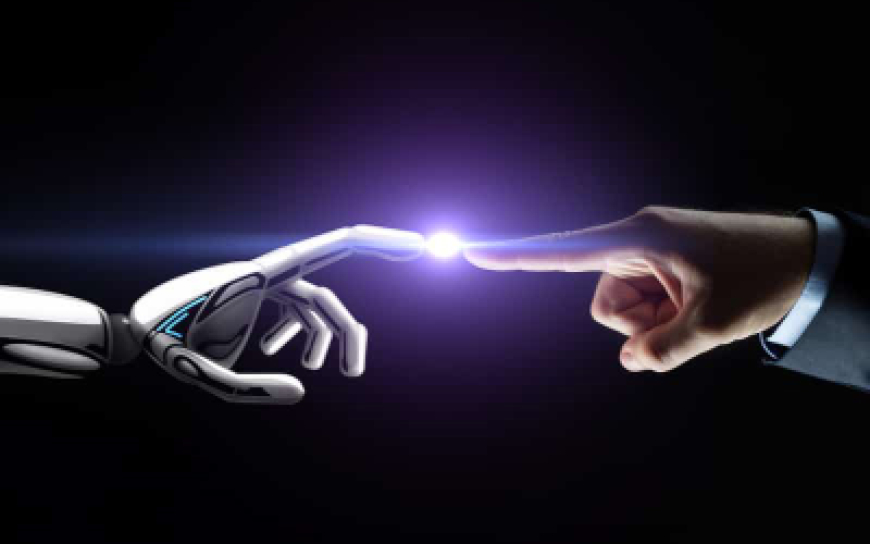
How Artificial Intelligence Is Changing Everyday Life
Artificial intelligence has moved from being a futuristic concept to becoming a practical part of everyday life. Many people interact with AI regularly without even noticing it. From smartphone assistants and navigation applications to online recommendations and smart home devices, artificial intelligence is increasingly integrated into the digital services people use every day.
AI can analyze large amounts of information, recognize patterns, understand language, generate content, and make predictions. These capabilities allow technology to become more personalized and automated.
As artificial intelligence continues to develop, its influence will likely expand across communication, education, healthcare, transportation, entertainment, shopping, and the workplace.
Artificial Intelligence in Smartphones
Smartphones are one of the most common places where people encounter artificial intelligence.
Modern phones can use AI for voice recognition, image processing, photography, translation, security features, and personalized suggestions.
For example, smartphone cameras can automatically identify scenes and adjust settings to improve photographs. Voice assistants can interpret spoken commands and provide information or perform supported tasks.
AI can also help organize photographs, identify objects in images, and improve the quality of digital content.
These features make smartphones more capable without requiring users to understand the complex technology operating behind them.
AI-Powered Search and Information
Search engines use sophisticated algorithms and artificial intelligence techniques to help users find relevant information.
When someone enters a search query, digital systems analyze the words and context to identify potentially useful results.
AI-powered tools can also summarize information, answer questions, translate content, and help users navigate large quantities of digital information.
However, users should remember that AI-generated answers can sometimes contain errors. Important information should still be checked against reliable sources.
Personalized Recommendations
Many online services use artificial intelligence to personalize the content users see.
Streaming platforms can recommend movies or music based on viewing and listening behavior. Online stores can suggest products based on browsing or purchasing activity.
Social media platforms can also use algorithms to determine which posts and videos are more likely to interest individual users.
Personalization can make digital services more convenient, but it also means that algorithms influence what information and content people encounter.
Understanding this can help users make more conscious decisions about their online habits.
AI in Navigation and Transportation
Artificial intelligence is increasingly important in modern transportation.
Navigation applications can analyze traffic conditions, road information, and travel patterns to recommend efficient routes.
Modern vehicles can also use AI-related technologies for driver assistance. Cameras, radar, sensors, and software can help vehicles detect nearby objects and provide warnings or assistance in certain driving situations.
The development of autonomous vehicles could further increase the role of AI in transportation.
However, transportation systems require extremely high standards of reliability and safety, so human supervision and appropriate testing remain important.
Artificial Intelligence in Smart Homes
AI is helping make smart homes more responsive.
Connected thermostats, security systems, lighting, speakers, and other devices can collect information and respond to user commands.
An intelligent home system may automate certain routines based on schedules, sensor data, or user preferences.
For example, smart lighting can be programmed to change according to time, while an intelligent thermostat can adjust temperature settings based on household routines.
As more devices become connected, AI may help coordinate different systems through a single digital environment.
AI and Online Shopping
Artificial intelligence has changed the online shopping experience.
E-commerce platforms can analyze customer behavior and recommend products that may be relevant to individual users.
AI can also help businesses manage inventory, identify unusual transactions, answer customer questions, and analyze purchasing trends.
For consumers, personalized recommendations can make it easier to discover products.
However, personalization also raises questions about privacy and how companies use customer data.
AI in Banking and Financial Services
Financial institutions use AI and machine learning for various purposes.
AI systems can help detect unusual transactions and identify patterns associated with potential fraud.
Digital banking applications may also use automated systems to answer common questions or provide personalized financial information.
These technologies can improve efficiency and security, but financial decisions can have serious consequences. Automated systems should therefore be designed and monitored carefully.
Users should also remain cautious about online scams and never assume that a message is legitimate simply because it appears to come from a financial institution.
Artificial Intelligence in Healthcare
Healthcare is another area where AI is making significant progress.
AI systems can assist with medical image analysis, research, data processing, and administrative tasks.
For example, machine learning models can be trained to identify patterns in large collections of medical images or health-related datasets.
Wearable devices can also collect information about activities and other measurable signals, which may help users and professionals understand certain patterns.
AI does not replace medical professionals. Healthcare applications require appropriate testing, validation, privacy protections, and professional oversight.
AI and Education
Artificial intelligence is creating new possibilities in education.
AI-powered tools can help students practice subjects, receive explanations, organize information, translate materials, and generate study resources.
Teachers can also use AI tools for certain administrative and educational tasks.
For example, an AI system may help create practice questions or summarize educational material.
However, students should not depend entirely on AI-generated answers. Learning requires critical thinking, independent problem-solving, and the ability to evaluate information.
AI in the Workplace
Artificial intelligence is changing how people work.
Employees can use AI tools to summarize documents, analyze information, generate ideas, organize tasks, write drafts, and automate repetitive activities.
Businesses can use AI for customer service, data analysis, marketing, forecasting, and workflow automation.
This does not necessarily mean that AI will replace every job. In many cases, AI is more likely to change job responsibilities and provide employees with additional tools.
Workers who develop both digital skills and strong human abilities such as communication, creativity, and critical thinking can be better prepared for these changes.
AI and Communication
Artificial intelligence is also influencing how people communicate.
Translation systems can help people communicate across languages, while speech recognition can convert spoken words into text.
AI writing tools can assist with grammar, summarization, drafting, and content organization.
Customer service systems can use AI-powered chatbots to respond to common questions.
These technologies can make communication faster, but users should remain aware that automated systems may misunderstand context, tone, or cultural nuances.
AI in Entertainment
Entertainment platforms increasingly use artificial intelligence to personalize digital experiences.
Streaming services can recommend movies, television programs, podcasts, and music based on user behavior.
Video games can use AI to create more responsive characters and dynamic environments.
Generative AI is also being explored for creating images, music, video, and other forms of digital content.
This creates new opportunities for creators while also raising questions about copyright, originality, and the appropriate use of AI-generated material.
AI and Cybersecurity
Artificial intelligence can be used to identify unusual activity and detect potential cybersecurity threats.
Security systems can analyze large quantities of network data and look for patterns that may indicate suspicious behavior.
AI can help security teams respond more quickly to certain threats.
However, cybercriminals can also use advanced technology to create more sophisticated attacks. This means cybersecurity will remain an ongoing challenge as artificial intelligence develops.
The Benefits of AI in Daily Life
The growing use of artificial intelligence can provide several practical benefits:
- Faster access to information
- Personalized digital experiences
- Automated repetitive tasks
- Improved navigation
- More convenient online services
- Assistance with communication and translation
- Better data analysis
- Support for education and productivity
- Improved detection of certain digital security threats
The value of AI depends on how responsibly and effectively these systems are designed and used.
Challenges of Artificial Intelligence
Despite its benefits, artificial intelligence also creates important challenges.
AI systems can produce incorrect information or make poor predictions. They can also reflect biases present in their training data.
Privacy is another major concern because many AI applications rely on large quantities of data.
There are also questions about employment, copyright, misinformation, cybersecurity, and the growing dependence on automated systems.
These issues demonstrate why AI development should include appropriate testing, transparency, human oversight, and responsible data management.
The Future of AI in Everyday Life
Artificial intelligence is likely to become even more integrated into everyday technology.
Future smartphones, vehicles, home systems, applications, and online services may use AI to provide more personalized and automated experiences.
AI assistants could become capable of managing increasingly complex tasks, while connected devices may work together more intelligently.
At the same time, people will need to understand how these systems operate and what information they collect.
Digital literacy and critical thinking will therefore become increasingly important as AI becomes more common.
What's Your Reaction?
 Like
0
Like
0
 Dislike
0
Dislike
0
 Love
0
Love
0
 Funny
0
Funny
0
 Angry
0
Angry
0
 Sad
0
Sad
0
 Wow
0
Wow
0