How Technology Has Changed the Way We Live
Learn how technology has changed the way we live by transforming communication, work, education, healthcare, transportation, entertainment, shopping, and everyday activities.

How Technology Has Changed the Way We Live
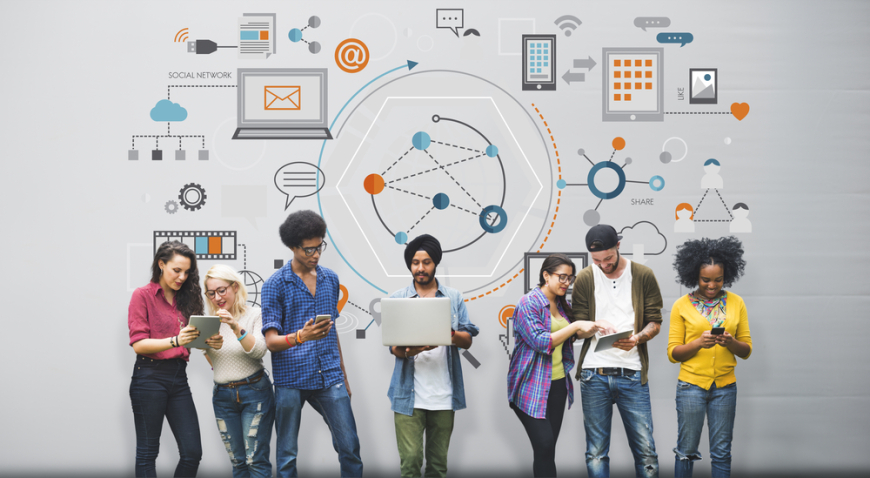
Technology has become an essential part of modern life. From smartphones and high-speed internet to artificial intelligence and smart home devices, technological developments have changed how people communicate, work, learn, travel, shop, and spend their free time.
Many activities that once required considerable time and effort can now be completed within minutes. Technology has not only introduced new devices but has also changed habits, expectations, and the way people interact with the world around them.
Technology and Communication
Communication is one of the areas most dramatically transformed by technology. In the past, people often depended on letters, landline telephones, or face-to-face meetings to communicate over long distances.
Today, smartphones, email, instant messaging, and video conferencing allow people to communicate almost instantly. A person can send a message, share a photograph, or participate in a video call with someone thousands of kilometers away.
Social media platforms have also created new ways for people to share ideas, follow events, and maintain relationships. However, the convenience of digital communication also makes privacy and responsible online behavior increasingly important.
The Impact of Technology on Work
Technology has fundamentally changed the modern workplace. Computers and specialized software allow employees to complete tasks faster, organize information, analyze data, and communicate with colleagues.
Cloud computing has made it possible to access documents and applications from different locations. Remote work has also become more practical because employees can participate in meetings, collaborate on projects, and communicate with teams through digital platforms.
Automation is another important development. Repetitive tasks can increasingly be handled by software and machines, allowing employees to focus on activities that require creativity, judgment, and problem-solving.
Technology and Education
Education has also been transformed by digital technology. Students can access online courses, digital libraries, educational videos, interactive applications, and virtual classrooms from almost anywhere.
Teachers can use presentations, online assignments, digital learning platforms, and interactive tools to support their lessons. Technology also makes it easier for people to continue learning outside traditional classrooms.
For example, someone interested in programming can practice through online platforms, while another person can study a foreign language using a mobile application.
How Technology Has Changed Healthcare
Modern healthcare relies on a wide range of technologies. Digital medical records help healthcare professionals manage patient information, while advanced imaging systems assist with diagnosis.
Telemedicine has also made remote consultations possible in many situations. Patients can communicate with healthcare professionals through digital platforms without always needing to travel to a medical facility.
Wearable devices have introduced another dimension to personal health management. Smartwatches and fitness trackers can monitor information such as physical activity, heart rate, and sleep patterns.
Technology does not replace professional medical advice, but it can provide useful tools for healthcare professionals and individuals.
Transportation Has Become More Connected
Technology has changed how people travel and navigate their surroundings. GPS systems and navigation applications can provide directions, estimate travel times, and identify traffic conditions.
Modern vehicles increasingly include driver-assistance technologies, cameras, sensors, connectivity features, and advanced safety systems.
Electric vehicles are also changing the automotive industry. Improvements in battery technology and charging infrastructure are contributing to the development of new transportation solutions.
The Transformation of Shopping
Shopping has moved far beyond traditional physical stores. E-commerce allows consumers to search for products, compare prices, read reviews, and place orders from computers and smartphones.
Digital payment systems have made transactions faster and more convenient. Consumers can often complete purchases without using physical cash.
Technology has also changed the expectations of shoppers. People increasingly expect detailed product information, fast delivery options, personalized recommendations, and convenient customer service.
Entertainment in the Digital Age
The entertainment industry has experienced a major transformation through technology. Physical media has largely been supplemented by streaming services, digital downloads, online gaming, and social platforms.
People can watch movies, listen to music, play games, and follow live events using connected devices.
Gaming technology has also developed rapidly. Modern games feature advanced graphics, online multiplayer environments, virtual reality experiences, and increasingly sophisticated artificial intelligence.
Smart Homes and Everyday Convenience
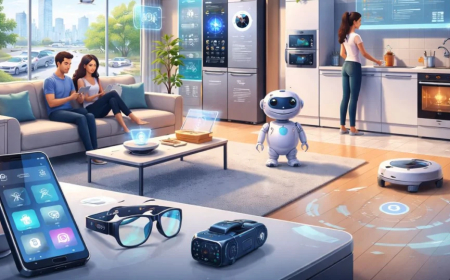
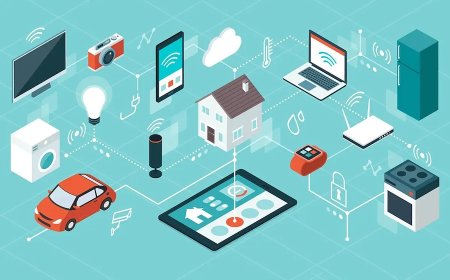
Smart home technology is making everyday household activities more connected. Smart lights, thermostats, security cameras, speakers, and appliances can communicate with smartphones and other devices.
For example, users can adjust lighting remotely, check a security camera while away from home, or automate certain household routines.
These technologies can provide convenience and potentially improve energy management, but connected devices must also be protected against unauthorized access.
Technology and Personal Productivity
Digital tools have changed how people organize their personal and professional lives. Calendar applications, task managers, cloud storage, note-taking tools, and collaboration platforms make it easier to manage information.
Instead of carrying multiple physical documents, users can store thousands of files digitally. Search functions also make it possible to locate information within seconds.
Automation can further reduce repetitive work. Simple digital workflows can handle tasks such as reminders, notifications, file organization, and routine communication.
The Challenges of a Technology-Driven Lifestyle
Although technology provides many benefits, it also creates challenges. Spending too much time on digital devices can reduce physical activity and create distractions.
Privacy is another important concern. Websites, applications, and connected devices may collect information about users and their activities.
Cybersecurity threats such as phishing, malware, identity theft, and data breaches also require greater awareness. Using strong passwords, enabling two-factor authentication, keeping software updated, and being careful with suspicious links are basic steps that can improve digital security.
There is also the issue of the digital divide. Not everyone has equal access to reliable internet connections, modern devices, or digital education. Ensuring broader access to technology remains an important challenge.
What Does the Future Hold?
The relationship between people and technology will continue to evolve. Artificial intelligence, robotics, smart cities, autonomous systems, advanced networks, and other emerging technologies may introduce significant changes in the coming years.
Artificial intelligence could automate more routine activities, while connected devices may make homes and workplaces increasingly responsive to users. Advances in communication technology could also make digital collaboration even more seamless.
However, technological progress should be accompanied by responsible development. Privacy, security, accessibility, sustainability, and ethical considerations will remain important as new technologies become part of everyday life.
What's Your Reaction?
 Like
0
Like
0
 Dislike
0
Dislike
0
 Love
0
Love
0
 Funny
0
Funny
0
 Angry
0
Angry
0
 Sad
0
Sad
0
 Wow
0
Wow
0