The Role of Technology in Modern Society
Discover the role of technology in modern society and how digital innovation is transforming communication, education, healthcare, business, transportation, entertainment, and everyday life.

The Role of Technology in Modern Society
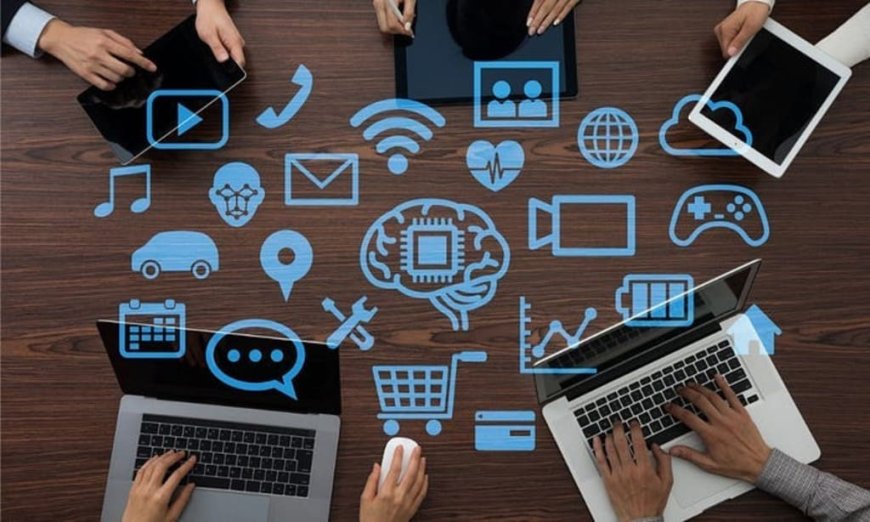
Technology plays a central role in modern society. From smartphones and computers to artificial intelligence, cloud computing, and smart devices, technology has become deeply integrated into everyday life.
People use technology to communicate, work, study, travel, shop, manage finances, access healthcare, and entertain themselves. Businesses depend on digital systems to operate efficiently, while governments and public organizations increasingly use technology to deliver services.
The influence of technology extends far beyond electronic devices. It affects how society communicates, makes decisions, creates opportunities, and responds to global challenges.
Technology and Communication
One of the most important contributions of technology is the transformation of communication.
In the past, communicating across long distances could take days or even weeks. Today, people can send instant messages, make video calls, share files, and participate in online meetings within seconds.
Social media has also changed how people interact with one another. Individuals can share ideas, follow events, build communities, and communicate with people from different parts of the world.
However, digital communication also creates challenges. Misinformation, online harassment, privacy concerns, and excessive screen time demonstrate why responsible technology use is important.
The Importance of Technology in Education
Technology has made education more accessible and flexible. Students can access digital books, online courses, educational videos, virtual classrooms, and interactive learning platforms.
Teachers can use technology to prepare lessons, communicate with students, distribute assignments, and provide multimedia resources.
Online education is particularly valuable for people who may not have easy access to traditional educational institutions. A student with an internet connection can potentially access educational materials from universities, organizations, and experts around the world.
Technology does not eliminate the importance of teachers. Instead, it provides additional tools that can support teaching and learning.
Technology and Healthcare
Modern healthcare relies on technology in many different ways. Digital medical records help organizations manage information, while advanced imaging systems support medical professionals in diagnosis and treatment.
Telemedicine has also expanded access to healthcare services in appropriate situations. Patients can communicate with healthcare professionals remotely and use digital systems to manage appointments and medical information.
Wearable technology has become increasingly popular as well. Smartwatches and fitness trackers can monitor activities such as exercise, movement, and sleep.
These technologies can support healthcare and personal awareness, but professional medical guidance remains essential when dealing with health concerns.
Technology and Business
Technology has transformed the way businesses operate. Computers, cloud services, digital communication platforms, and business software allow organizations to manage information and workflows more efficiently.
Small businesses can use digital platforms to reach customers beyond their local areas. Online stores allow companies to sell products internationally, while digital marketing provides new ways to communicate with potential customers.
Artificial intelligence and automation are also changing business processes. Repetitive activities can be automated, while data analysis tools can help organizations understand customers and market trends.
Technology has therefore created new business models and professional opportunities that did not exist in previous generations.
Technology and Employment
The workplace has changed significantly because of digital technology. Employees can work remotely, collaborate with international teams, and access company systems from different locations.
Remote and hybrid work have become possible through cloud computing, video conferencing, project management platforms, and digital communication tools.
At the same time, automation may change certain job responsibilities. Some repetitive tasks can be performed by software or machines, which means workers may need to develop new technical and interpersonal skills.
The future of employment will likely involve a combination of human expertise and technological assistance.
Technology and Transportation
Transportation systems have also benefited from technological innovation.
GPS navigation allows drivers and travelers to find routes more efficiently. Digital ticketing and mobile transportation applications make public transportation easier to manage.
Modern vehicles increasingly include advanced safety features, sensors, cameras, navigation systems, and connected entertainment platforms.
Electric vehicles and autonomous driving technologies are also influencing the future of transportation. These developments could contribute to safer, more efficient, and more sustainable transportation systems when implemented appropriately.
Technology and Entertainment
The entertainment industry has experienced a major digital transformation.
People can now stream movies, listen to music, play games, read digital publications, and watch live broadcasts using internet-connected devices.
Online gaming has created global communities where players can interact regardless of their location. Virtual reality and augmented reality are also introducing new ways to experience digital content.
The convenience of digital entertainment is significant, although excessive screen time can become a concern. Maintaining a healthy balance between digital and offline activities remains important.
Technology and Everyday Life
Technology is not limited to professional or educational environments. It is also present in everyday household activities.
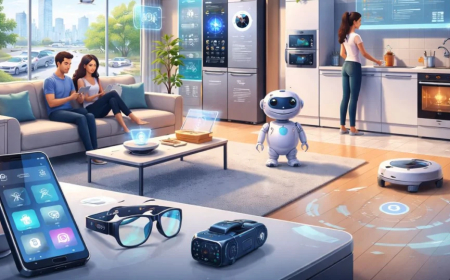
Smart home devices can control lighting, temperature, security systems, entertainment equipment, and appliances. Mobile applications allow people to manage banking, shopping, transportation, communication, and personal schedules.
Digital assistants and automation tools can simplify routine activities and help people organize their daily lives.
As connected devices become more common, however, consumers need to pay greater attention to privacy and cybersecurity.
Technology and Access to Information
The internet has changed how society discovers and shares information.
People can search for news, research topics, learn new skills, access digital libraries, and communicate with experts from almost anywhere.
This access to information provides enormous educational opportunities. However, the internet also contains inaccurate and misleading content.
Digital literacy is therefore increasingly important. People need to evaluate sources, compare information, recognize misleading claims, and distinguish reliable information from unreliable content.
Technology and Social Change
Technology can influence social behavior and cultural development. Social networks allow communities to form around shared interests, while digital platforms provide opportunities for people to express ideas and participate in discussions.
Technology can also increase access to services for people who previously faced geographical or physical limitations.
At the same time, unequal access to devices and reliable internet can create a digital divide. Ensuring that different communities have access to digital resources is an important social challenge.
The Role of Artificial Intelligence
Artificial intelligence is becoming one of the most significant technological developments in modern society.
AI can analyze large amounts of information, recognize patterns, generate content, translate languages, assist with customer service, and automate certain tasks.
Its applications extend across business, education, transportation, science, entertainment, and many other fields.
However, responsible AI development requires attention to privacy, accuracy, transparency, security, and human oversight. Technological progress should be accompanied by appropriate safeguards.
Technology and Environmental Challenges
Technology can contribute to environmental solutions while also creating environmental challenges.
Renewable energy systems, electric vehicles, smart energy networks, and energy-efficient technologies can help reduce resource consumption.
On the other hand, electronic waste and the energy requirements of digital infrastructure are important concerns. Producing and disposing of electronic devices can have environmental consequences.
Future technological development will therefore need to consider sustainability alongside performance and convenience.
The Challenges of Modern Technology
Despite its many benefits, technology presents several challenges for society.
Cybersecurity threats can compromise personal and organizational information. Privacy can become difficult to protect when large amounts of data are collected by digital services.
Automation may change employment patterns, while excessive dependence on technology can reduce certain traditional skills.
There are also concerns about digital addiction, misinformation, social isolation, and unequal access to technology.
These issues demonstrate that technology itself is neither automatically good nor bad. Its impact depends largely on how it is designed, implemented, regulated, and used.
The Future Role of Technology in Society
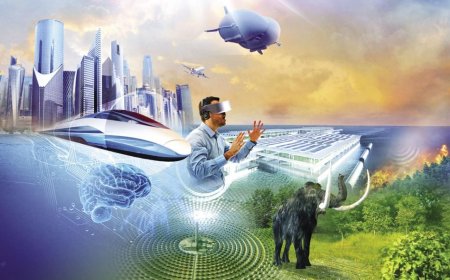
Technology is likely to become even more deeply integrated into modern society. Artificial intelligence, robotics, advanced networks, smart cities, connected devices, and automation could transform many aspects of everyday life.
Future technologies may make services more personalized and efficient, but society will need to address questions surrounding privacy, security, employment, accessibility, and ethics.
Education will also play an important role. People who understand how digital technologies work will be better prepared to use them effectively and responsibly.
What's Your Reaction?
 Like
0
Like
0
 Dislike
0
Dislike
0
 Love
0
Love
0
 Funny
0
Funny
0
 Angry
0
Angry
0
 Sad
0
Sad
0
 Wow
0
Wow
0