The Advantages and Disadvantages of Modern Technology
Explore the advantages and disadvantages of modern technology, including improved communication, productivity, education, healthcare, convenience, privacy concerns, cybersecurity risks, and digital dependence.


The Advantages and Disadvantages of Modern Technology
Modern technology has transformed almost every part of human life. Smartphones, computers, the internet, artificial intelligence, cloud computing, smart devices, and digital services have made many everyday activities faster and more convenient.
People can communicate across the world within seconds, access enormous amounts of information, work remotely, shop online, and use digital tools for education and entertainment. Businesses can automate processes and reach customers in different countries.
However, technological progress also creates challenges. Privacy concerns, cybersecurity threats, excessive screen time, digital dependence, misinformation, and environmental issues are among the problems associated with modern technology.
Understanding both the benefits and drawbacks can help people use technology more responsibly and effectively.
Advantages of Modern Technology
Faster and Easier Communication
One of the greatest advantages of modern technology is the ability to communicate quickly.
Smartphones, email, instant messaging, and video conferencing allow people to communicate with friends, family members, colleagues, and businesses almost instantly.
Geographical distance has become less important. A person can participate in a video meeting with colleagues in another country or maintain regular contact with family members living thousands of kilometers away.
Digital communication has also become an essential part of international business and remote work.
Easy Access to Information
The internet has dramatically changed how people find information.
Instead of relying entirely on printed books or traditional media, users can search for information online within seconds. Digital libraries, educational websites, online courses, research databases, and news platforms provide access to a vast amount of knowledge.
This accessibility has made self-directed learning easier. People can learn programming, languages, photography, business skills, and many other subjects through online resources.
However, the availability of information also makes it important to distinguish reliable sources from inaccurate or misleading content.
Improved Productivity
Technology can help individuals and businesses complete tasks more efficiently.
Word processors, spreadsheets, project management applications, cloud storage, automation software, and artificial intelligence tools can reduce the time required for many activities.
For example, a business can automate repetitive data-entry tasks, while an employee can use cloud-based tools to collaborate on documents with colleagues in different locations.
Technology can therefore allow people to focus more attention on creative and strategic tasks.
Advances in Education
Modern technology has created new opportunities for students and teachers.
Online classrooms, educational applications, digital textbooks, video lessons, and interactive learning platforms can supplement traditional education.
Students can access educational materials from different parts of the world, while teachers can use digital resources to make lessons more interactive.
Technology can also support people who need flexible learning schedules or cannot easily attend traditional educational institutions.
Improvements in Healthcare
Technology has contributed to significant developments in healthcare.
Digital medical records help organizations manage patient information, while advanced imaging technologies support medical professionals.
Telemedicine can make remote consultations possible in appropriate situations. Wearable devices can also help users monitor activities such as exercise and sleep.
Artificial intelligence and advanced computing are increasingly being explored for medical research, data analysis, and other healthcare applications.
Technology does not replace healthcare professionals, but it can provide valuable tools that support their work.
Greater Convenience
Modern technology has made many everyday tasks easier.
People can manage bank accounts, order products, book transportation, make appointments, communicate with businesses, and access entertainment through connected devices.
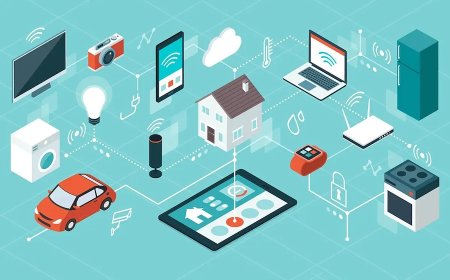
Smart home systems can also automate lighting, temperature control, security, and other household functions.
These conveniences can save time and make daily routines more efficient.
New Business Opportunities
Technology has created new industries and business models.
E-commerce allows businesses to reach customers beyond their local areas. Digital marketing provides new ways to promote products and services, while cloud computing allows organizations to operate sophisticated digital systems without necessarily maintaining extensive physical infrastructure.
Technology has also created professions in areas such as software development, cybersecurity, data analysis, artificial intelligence, digital marketing, and cloud computing.
Remote Work
Digital technology has made remote and hybrid work possible for many professionals.
Video conferencing, cloud storage, messaging applications, and project management platforms allow employees to collaborate without being physically present in the same office.
Remote work can reduce commuting time and give employees greater flexibility. Businesses may also access a wider pool of talent regardless of geographical location.
Disadvantages of Modern Technology
Privacy Concerns
One of the biggest disadvantages of digital technology is the growing challenge of protecting personal information.
Websites, applications, smart devices, and online platforms may collect information about users and their activities.
People may not always understand what information is being collected or how it is being used.
For this reason, users should review privacy settings, limit unnecessary permissions, and think carefully about the information they share online.
Cybersecurity Risks
Greater digital connectivity creates greater security risks.
Individuals and organizations can become targets of phishing attacks, malware, ransomware, identity theft, account theft, and data breaches.
A single compromised account can potentially expose sensitive personal or business information.
Using strong passwords, enabling multi-factor authentication, keeping software updated, and avoiding suspicious links are important cybersecurity practices.
Digital Dependence
Modern society has become increasingly dependent on technology.
People often rely on smartphones for navigation, communication, entertainment, financial services, and access to information.
Although these tools are useful, excessive dependence can become a problem. A technical failure, internet outage, or lost device can make ordinary tasks unexpectedly difficult.
Developing basic offline alternatives and maintaining essential information in secure backups can reduce some of these risks.
Excessive Screen Time
Many modern activities involve screens. Work, education, entertainment, communication, and shopping can all take place through computers and smartphones.
Spending excessive amounts of time on digital devices can contribute to reduced physical activity, distractions, and difficulty maintaining healthy boundaries between online and offline life.
Taking regular breaks and balancing digital activities with physical and social activities can help create healthier technology habits.
Spread of Misinformation
The internet makes it possible for information to spread extremely quickly.
This is useful when accurate information needs to reach people, but it also means false or misleading claims can reach large audiences.
Social media algorithms and online communities can sometimes reinforce information that users already believe.
Digital literacy is therefore increasingly important. Users should verify important claims, examine sources, and avoid sharing information simply because it appears convincing.
Impact on Employment
Automation and artificial intelligence can change the way many jobs are performed.
Machines and software can handle certain repetitive tasks, which may reduce the demand for some traditional responsibilities.
At the same time, technology creates new professions and opportunities. The challenge is helping workers develop the skills needed for changing industries.
Continuous education and professional training will become increasingly important as technology evolves.
Environmental Impact
Technology also has an environmental cost.
Electronic devices require raw materials, energy, manufacturing processes, and transportation. When devices are discarded, they can contribute to electronic waste.
Data centers and digital infrastructure also require significant amounts of electricity.
Companies and consumers can help reduce these effects by choosing durable products, extending device lifespans, recycling electronics properly, and supporting energy-efficient technologies.
How to Use Modern Technology Responsibly
The benefits of technology can be maximized when users develop responsible digital habits.
Some practical approaches include:
- Use strong and unique passwords.
- Enable multi-factor authentication.
- Keep devices and software updated.
- Check information before sharing it.
- Review privacy settings regularly.
- Limit unnecessary screen time.
- Back up important files.
- Download software from trustworthy sources.
- Recycle unwanted electronic devices properly.
- Maintain a healthy balance between digital and offline activities.
Responsible technology use is not about avoiding digital tools. It is about understanding their benefits and risks.
The Future of Modern Technology
Technology will continue to evolve. Artificial intelligence, robotics, advanced communication networks, quantum computing, smart homes, and connected devices could introduce new benefits while creating new challenges.
Future technologies may become more personalized and automated. At the same time, privacy, cybersecurity, sustainability, and ethical development will become increasingly important.
Society will need to find an appropriate balance between technological innovation and human needs.
What's Your Reaction?
 Like
0
Like
0
 Dislike
0
Dislike
0
 Love
0
Love
0
 Funny
0
Funny
0
 Angry
0
Angry
0
 Sad
0
Sad
0
 Wow
0
Wow
0